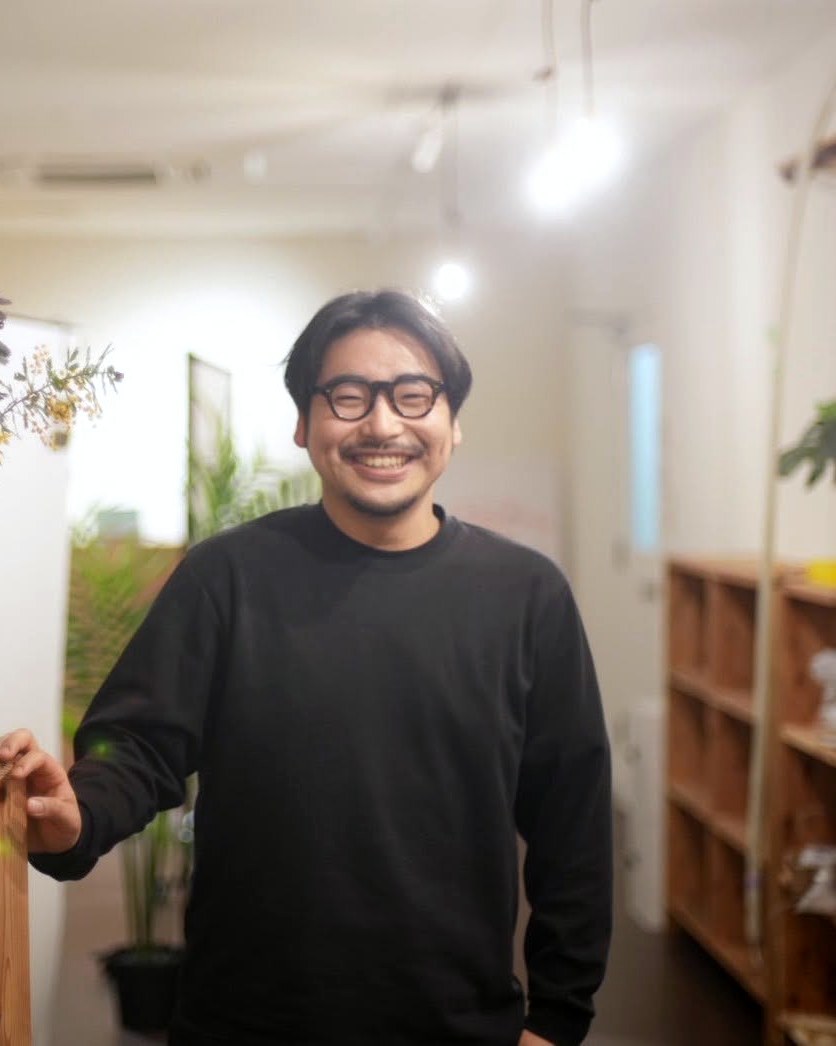
HOME / CEO日本語
I was born in Kitakyushu in 1996. I went on to study education at university, but something about the path toward becoming a teacher never quite sat right with me. I cared about supporting people's potential — yet I couldn't shake the feeling that the current education system placed real limits on what that could achieve.
The turning point came when I studied abroad in Sweden. There, I discovered another kind of classroom: the city itself. People lingering in public squares, time moving at an unhurried pace, an atmosphere in which anyone could simply be themselves. I felt it in my bones — a city isn't just a space, but an environment that gently holds the way people are.
Afterward, I had the chance to work with an education-focused startup in Myanmar. Amid the unforeseen upheaval of a military coup and a pandemic, I watched firsthand how easily a society's structures can strip people of their potential.
When I began studying urban design at Kyushu University Graduate School, I arrived at a single question. Areas where small independent shops and creators start to cluster share a common condition: there is room for personal quirks to show through, and an atmosphere that welcomes them.
For my doctoral research, I set my theme as "the clustering process of small businesses." I plotted the areas where independent shops had begun to gather naturally onto maps and ran cluster analyses, then went around interviewing shop owners, interior contractors, and real-estate agents. Seen from the outside, it's fairly unglamorous research.
Comparing multiple areas revealed a rule so simple it was almost anticlimactic: distinctive shops gather wherever there is room to take a low-cost, low-risk chance. And what creates that room turned out to be surprisingly mundane factors — the structure of land ownership, or the presence of a local contractor willing to take on renovation work.
At the same time, I came to a hard realization: urban phenomena can't just be described in words and impressions — they need to be explained with quantitative evidence that can actually inform decisions.
Supporting real decisions on the ground in cities and real estate requires technology and systems that bridge data and intuition. That conviction led me to found URBANIX in September 2023.
Urban, Mix, and Axis. As diverse people and values mix together in the city, new relationships and cultures emerge, and in time they become the axis that moves the city's very way of being. I want that axis to be made of individual activity — the everyday doing of individual people.
Rather than impose the right answer, I want to create more places where people can stay honest about their doubts and curiosity. I want to build an atmosphere where someone's "I want to try this" can start naturally, without anyone needing to raise their voice. To me, that isn't about talking up the city's future — it's about facing the question of how one person can act, today.
Urban design. I study people's activity and economic behavior in urban space through data, researching methods for achieving sustainable urban management and urban regeneration.
My core research question is how a city's value is actually created — which people and businesses, operating in which places, raise the value of an area. Focusing on bottom-up activity by independent shops, creators, and small businesses, I evaluate districts quantitatively and analyze their effect on foot traffic and the local economy.
Founded under the banner "Regenerate, from Kyushu," this is a practice community built to reinterpret regional value and weave it into the future. I serve as its Representative Director.
There is a structural discomfort in the environment for taking on challenges in Kyushu. Student interns are too often reduced to cheap labor or brief company tours, with vanishingly little access to the real core of a business. Accelerator programs and startup competitions keep multiplying, yet they tend to end as one-off events that simply rank ideas against each other. I don't think Kyushu lacks talented people — I think it lacks the structures for young people to build substantive practice and put their own will to work in society.
Every director of this association was once a student in Kyushu, uncertain and struggling. What set our lives in motion was a chance encounter, during our student years, with a person or a piece of work that shook our values and woke an intrinsic motivation in us. Turning that chance into a system is why I've committed myself to this association.
Our core program is the Regenerative Internship. For the companies that host students, it's designed as a partnership for raising the next generation of practitioners together. We bridge students into two linked tracks — commercializing research outcomes and solving social issues — and, so that government-linked projects never end up as unpaid volunteer work in disguise, the association secures budget as an intermediary support organization and builds continuous opportunities to practice.
An estimated 25,000-piece collection, assembled over more than half a century by interior designer Keiji Nagai (1948–2024). Chairs alone number over 1,500, alongside lighting, appliances, everyday objects, and catalogs — an archive that amounts to a history of design in itself. Having lost the person who built it, the collection stood at risk of being scattered and lost.
I'm involved in this project as part of the Design Center Preparatory Office at the Product Design Research Institute (a general incorporated association). What we're aiming for isn't a storage facility, but a "Design Center" in Fukuoka where everyone from professional designers and craftspeople to children can encounter the real thing.
As a first step, we've begun an archival survey of the collection. Alongside it, we held "Chair Expedition," a city-wide touring design exhibition of masterpiece chairs, across Fukuoka, opening the collection up to the city itself. Urbanix Co., Ltd. supported this exhibition.
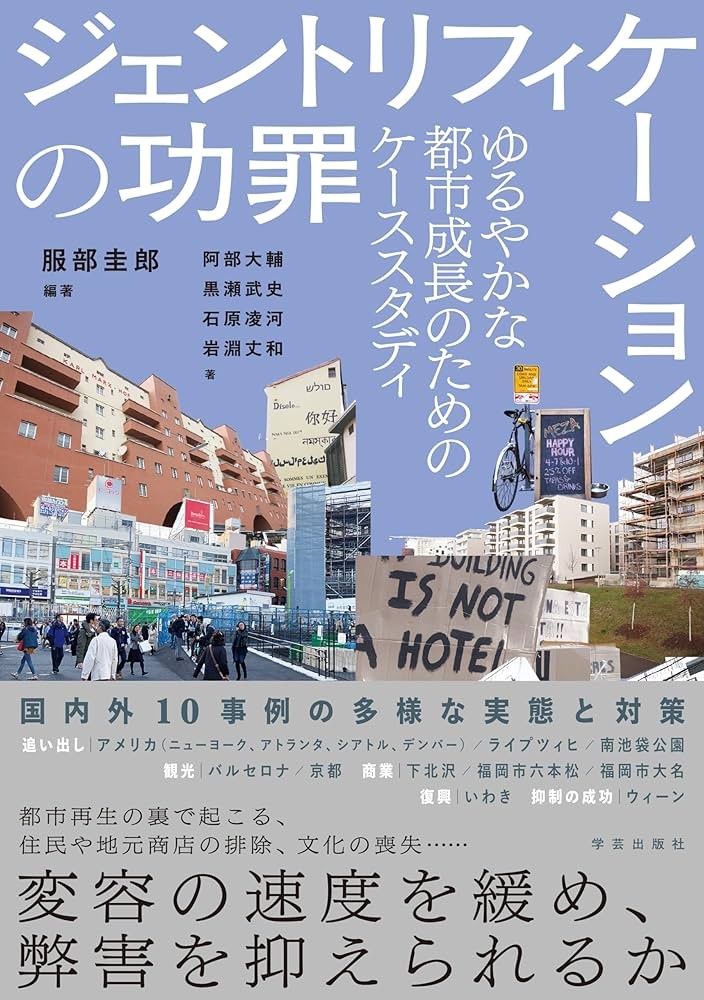
Case studies for gentle, sustainable urban growth
Gakugei Shuppansha / Ryukoku University Research Institute for International Social and Cultural Studies Series / Co-authored
I'm available for interviews, writing, and speaking engagements on topics such as urban planning, the use of area data, the revitalization of vacant real estate, and international city-to-city collaboration.
I can provide a profile photo, biography, and logo assets together as a package. Please get in touch via the contact form with your publication and deadline.
Business inquiries, media requests, questions about careers — feel free to start with just a casual conversation.